Drinking Water in China: Tap, Bottled and Boiled Water Guide (2026)
Understanding drinking water in China is essential for first-time visitors. Travelers should not assume that water from a hotel tap is ready to drink without boiling. The simplest routine in China is to drink sealed bottled water, properly boiled tap water or water from a clearly marked drinking-water dispenser. Use ordinary tap water for washing unless the property gives different instructions.
Is Drinking Water in China Safe from the Tap?
- Do not drink tap water directly unless a trusted local authority or property specifically confirms it is potable.
- Boil tap water fully before drinking, or use sealed bottled water and verified drinking-water dispensers.
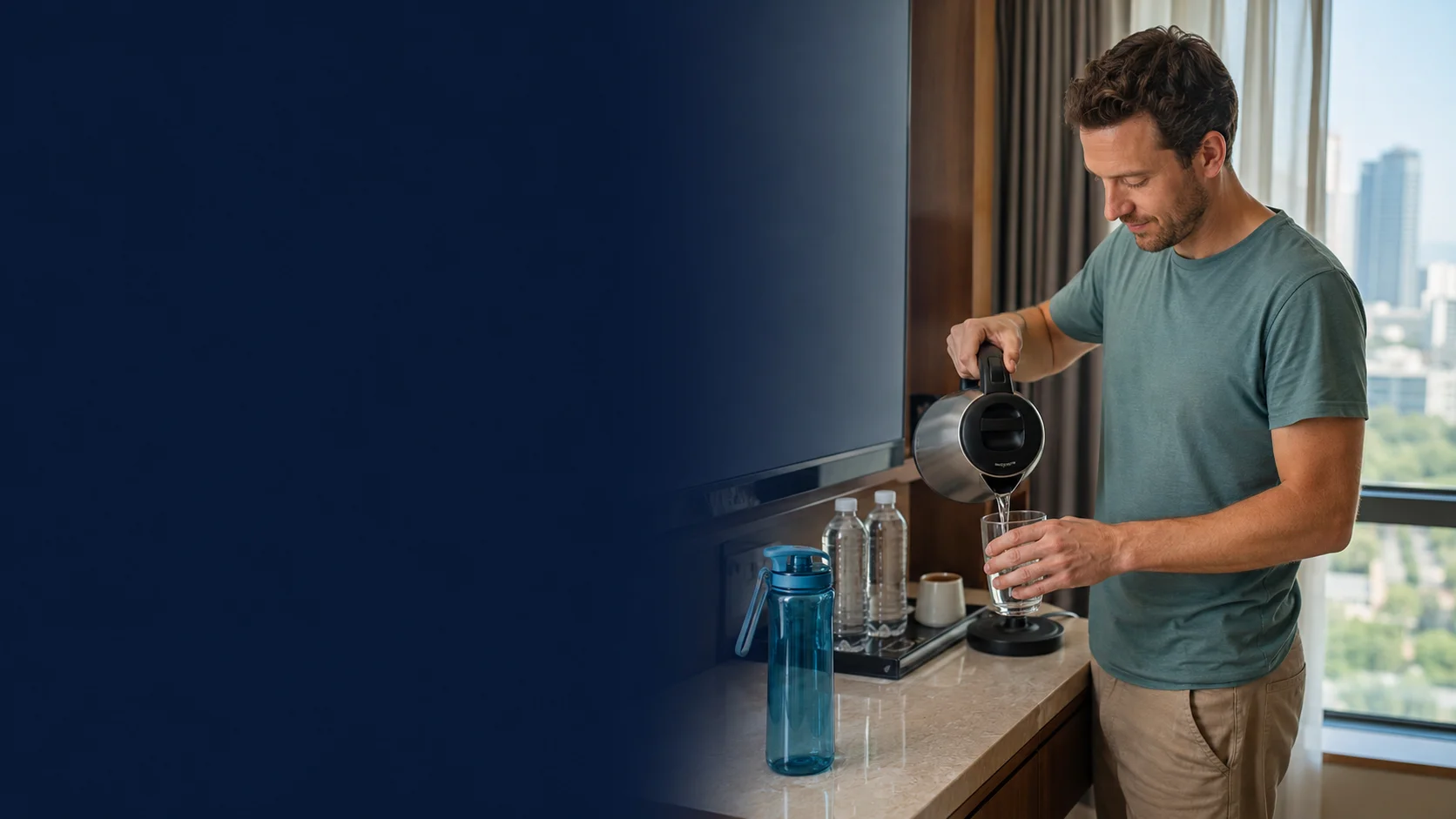
- Most hotels provide bottled water, a kettle or both, but availability and daily quantity vary.
- “Hot water” from a train dispenser is intended for drinking and instant food; water from washroom sinks is not.
- Check the bottle seal, label and expiry date. Avoid containers that are open, damaged or refilled.
- Travelers with infants, suppressed immunity or specific medical needs should follow advice from their clinician.
Why It Matters
China has large, regulated municipal water systems, but water quality at the tap can also depend on building storage tanks, internal pipes and local conditions. That is why a visitor can see residents boiling tap water even where the municipal supply is treated. Beijing’s official English-language guidance tells visitors to boil tap water before drinking and notes that hotels commonly provide bottled or boiled water and electric kettles.
The practical goal is not to judge an entire country’s water supply. It is to choose a clearly drinkable source at each step of the trip and avoid confusing wash water, hot-water dispensers and purified drinking stations.
Quick Decision Guide
| Water source | Use for drinking? | What to check |
|---|---|---|
| Sealed bottled water | Yes | Intact cap ring, readable label and normal appearance |
| Tap water, fully boiled | Generally the standard visitor option | Clean kettle, rolling boil and clean covered container |
| Hotel drinking-water dispenser | Yes when clearly identified and maintained | Property instructions and drinking-water label |
| High-speed train hot-water dispenser | Yes, for hot drinking water | Use the dedicated dispenser, not the washbasin |
| Washroom or ordinary sink tap | Do not assume | Use for washing unless marked potable |
| Unsealed or refilled bottle | No | Replace with a sealed product |
Recommended Products and Tools
- Reusable bottle with a wide opening: easier to fill from a kettle after water cools.
- Insulated flask: useful for train travel and winter days, but avoid sealing actively boiling water in an unsuitable bottle.
- Collapsible cup: useful when a room provides a kettle but no clean travel cup.
- Electrolyte packets: optional for long, hot outdoor days; choose a familiar product and follow its label.
- Translation app: scan labels for 饮用水 (drinking water), 直饮水 (direct drinking water), 开水 (boiled hot water) and 非饮用水 (not drinking water).
Step-by-Step Guide
Step 1: Inspect the hotel setup
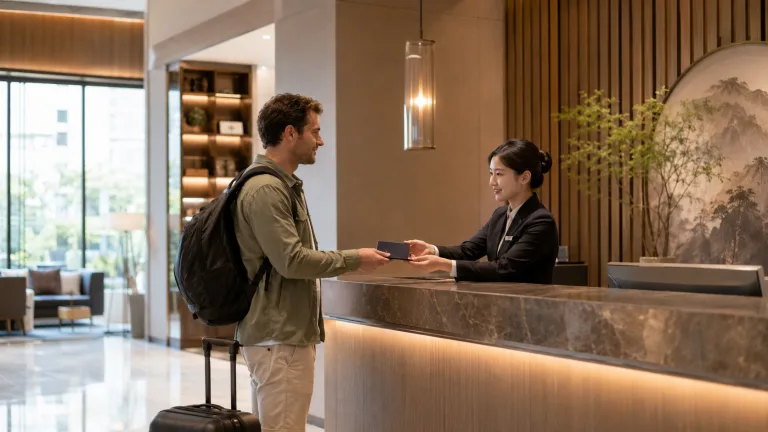
Look for sealed bottles, an electric kettle, a thermos or a drinking-water dispenser. Confirm whether complimentary bottles are replaced daily and whether water from a larger dispenser is included. If the room instructions are unclear, ask the front desk: “这个水可以直接喝吗?”—“Can this water be drunk directly?”
Step 2: Use the kettle correctly
- Check that the kettle is visibly clean and has no residue or unusual smell.
- Fill it with cold tap water below the maximum line.
- Bring the water to a full automatic boil.
- Pour it into a clean cup or covered container.
- Let it cool before filling a plastic bottle not rated for boiling liquid.
Boiling addresses many microbial risks but does not remove every possible chemical contaminant. If the water looks, smells or tastes abnormal after boiling, do not drink it; use sealed bottled water and notify the property.
Step 3: Check bottled water
Buy from hotels, supermarkets, convenience stores, railway shops or established vending machines. The tamper ring should break when you first open the cap. Do not accept a bottle with a loose cap, damaged seal, cloudy contents or particles. A higher price or imported label is not necessary for routine hydration; an intact, properly labeled bottle from a reliable retailer is the key.
Step 4: Understand public dispensers
Dedicated drinking-water stations may provide hot, warm or cool water. Look for signs such as 饮用水 or 直饮水. Do not assume that any nearby tap is part of the system. In railway stations and on high-speed trains, hot-water dispensers are commonly used for tea and instant noodles. Keep children away from the hot-water outlet and open a flask slowly after filling.
Step 5: Plan water for the day
Carry enough for the next segment rather than the entire trip. Convenience stores are common in cities, while scenic areas, rural routes and long transfers may have fewer options. Refill only from a source you can identify. For route preparation, see our map-app guide and pre-departure checklist.
Step 6: Handle brushing teeth and ice according to your risk tolerance
Many visitors use tap water for brushing, while Beijing’s visitor guidance notes that bottled water is also commonly used. If you have a sensitive stomach, are newly arrived or have been advised to take extra precautions, use bottled or cooled boiled water. At reputable restaurants and hotels, ice is normally commercially made or prepared for food service, but you can ask for a drink without ice: “不要冰”—“no ice.”
Water on Trains, Flights and at Airports
High-speed trains
Bring an empty bottle through station security and fill it from a clearly marked drinking-water point, or buy a sealed bottle after entering. On board, use the dedicated hot-water dispenser. Do not drink from washroom taps. Our high-speed rail guide covers boarding and carriage facilities.
Domestic flights
Airport security restrictions apply to liquids, and enforcement details can vary. The simplest approach is to carry an empty reusable bottle and fill it after security from a verified station, or buy sealed water airside. Cabin crew can advise what drinking water is available on board. See the domestic flight guide for other security and baggage rules.
Airports
Large airports may have hot-water units, direct-drinking fountains or both. Read the label rather than guessing from the shape of the tap. Keep boiling-water outlets away from children and do not leave luggage unattended while filling a bottle.
Common Mistakes
Assuming “treated” means ready to drink from every tap
Municipal treatment and drinkability at a specific building tap are not the same decision. Internal plumbing and storage matter. Follow local and property guidance.
Confusing hot water with safe water
Warm water is not necessarily boiled water. Use a kettle that reaches a full boil or a dispenser specifically marked for drinking.
Reusing a single-use bottle for too long
Repeatedly exposing a narrow bottle to heat, hands and backwash can make it harder to keep clean. Wash a reusable bottle daily and let it dry fully.
Pouring boiling water into unsuitable plastic
Check the manufacturer’s temperature rating. Let boiled water cool in a clean cup or use a heat-rated flask.
Ignoring dehydration in hot weather
Summer heat, long walks and altitude can increase fluid needs. Drink regularly, take breaks and seek medical help for confusion, fainting, persistent vomiting or inability to keep fluids down.
Relying on boiling when water looks contaminated
Boiling is not a remedy for unknown chemicals, fuel, heavy sediment or visibly contaminated water. Choose another source and inform the property or local staff.
Useful Chinese Water Terms
| Chinese | Meaning |
|---|---|
| 饮用水 | Drinking water |
| 直饮水 | Water intended for direct drinking |
| 开水 | Boiled hot water |
| 热水 | Hot water |
| 冷水 | Cold water |
| 非饮用水 | Not drinking water |
| 矿泉水 | Mineral water |
| 纯净水 | Purified water |
FAQ
Can tourists drink tap water in China?
Do not drink it directly unless a trusted local authority or property confirms that the specific tap is potable. The standard visitor precaution is sealed bottled water, properly boiled tap water or a verified drinking-water dispenser.
Is boiled tap water safe to drink?
Proper boiling is the customary approach recommended in Beijing’s official visitor guidance. It reduces microbial risk, but it does not correct every chemical or plumbing problem. Use another source if the water appears or smells abnormal.
Do hotels provide bottled water?
Many do, often together with a kettle, but the quantity and replacement policy vary. Check the room information or ask reception instead of assuming it is complimentary.
Can I brush my teeth with tap water?
Many travelers do, while others use bottled or cooled boiled water. People with sensitive stomachs, weakened immunity or clinician-provided precautions should take the more conservative option.
Is water from train washroom taps drinkable?
No. Use the train’s dedicated hot drinking-water dispenser or sealed bottled water, not the washbasin.
What should I do if I develop diarrhea or vomiting?
Use safe fluids and seek medical advice if symptoms are severe, persistent, bloody, accompanied by high fever or causing dehydration. Keep the contacts in our China emergency guide available offline.
References
- Beijing Municipal Government: tap, boiled and bottled water guidance
- World Health Organization: Guidelines for Drinking-water Quality
- China Discovery: high-speed train drinking-water and washroom facilities
Fact-checked on August 8, 2026. Water systems, hotel provisions and public dispenser types vary by city and property. Follow local signs and official advice for the specific source.