
Emergency Numbers in China for Tourists: Police, Ambulance and Help (2026)
Quick answer: In mainland China, call 110 for police, 119 for fire, 120 for a medical emergency and 122 for a road traffic accident. Save these numbers before your trip. In a serious emergency, give your location first, then explain what happened as simply as possible.
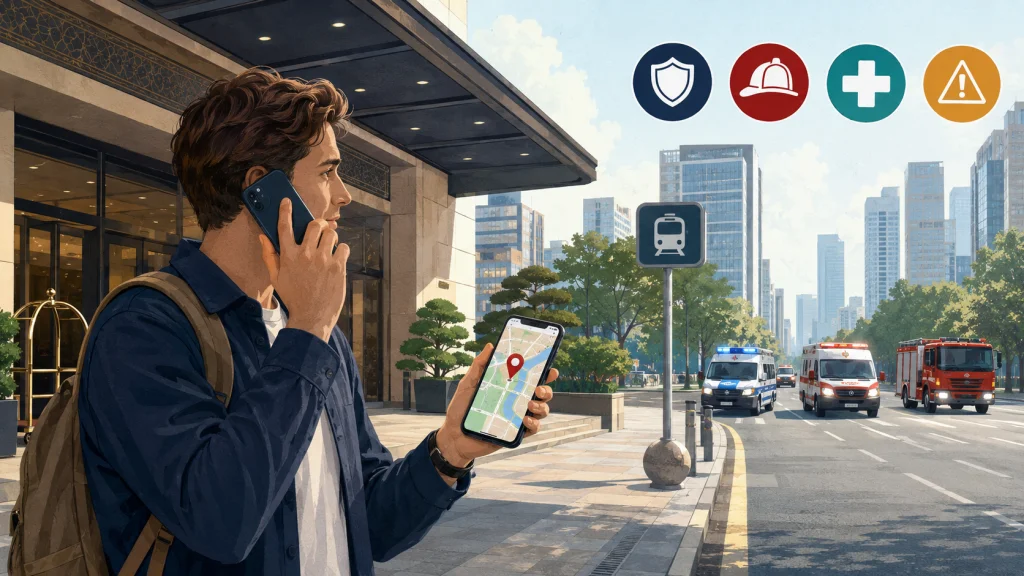
China emergency numbers at a glance
| Situation | Number | When to use it |
|---|---|---|
| Police | 110 | Crime, immediate danger, theft in progress or urgent police assistance |
| Fire | 119 | Fire, smoke, trapped people or rescue requiring the fire service |
| Medical emergency | 120 | Serious illness, severe injury or an ambulance |
| Traffic accident | 122 | Road collision, traffic injury or traffic-police assistance |
| Government services | 12345 | Non-emergency public-service questions and complaints |
| Immigration service | 12367 | Entry, exit, visa and immigration-policy enquiries |
The emergency numbers above apply across mainland China. Hong Kong and Macao use different systems, so check local numbers if your itinerary includes either destination.
What to say when you call
Do not begin with a long explanation. The operator first needs enough information to send help. State your location, the type of emergency and whether anyone is injured. If you do not know the street address, name the hotel, railway station, airport terminal, shopping centre or nearby landmark.
- Location: city, district, street, building and floor if known.
- Emergency: police, fire, ambulance or traffic collision.
- People involved: number of injured people and any immediate danger.
- Your contact: the mobile number you are calling from.
- Stay available: do not leave unless the location is unsafe.
English support varies by city, service and shift. Do not assume every operator speaks English. A hotel receptionist, station employee, shop worker, driver or Chinese-speaking companion may be able to relay the address. Translation apps can help with short phrases, but they should not delay a life-safety call.
Calling 120 for medical help
Use 120 for a serious or potentially life-threatening condition: breathing difficulty, loss of consciousness, heavy bleeding, suspected stroke, major trauma or another situation where safe transport is not realistic. Tell the operator the patient’s condition and exact pickup point.

Ambulance response, hospital procedures, language support and payment arrangements vary. Carry your passport or a copy, travel-insurance details, emergency contact and a payment method. If the situation is urgent, do not spend time comparing hospitals before calling.
For a minor illness, ask your hotel for a nearby hospital or clinic rather than using an emergency line. Large-city international clinics may offer more English support but can charge substantially more than public facilities. Confirm whether your insurer requires a particular provider when the situation is not urgent.
Police reports, theft and lost property
Call 110 when there is immediate danger or a crime in progress. For a theft discovered later, go to the nearest police station with your passport, the location and time of the incident, receipts or serial numbers, and any screenshots or transaction records. A written police report may be required for an insurance claim.

If a passport is lost or stolen, report it to local police and contact your embassy or consulate for replacement-document instructions. Immigration questions can also be directed to the National Immigration Administration service line, 12367. Do not publish passport images or document numbers in public help groups.
What to do after a traffic accident
Move away from traffic if it is safe, call 120 for injuries and use 122 for traffic-police assistance. Photograph the scene, vehicle plates and damage only when doing so does not put you at risk. Avoid agreeing to an unfamiliar payment request before the police, rental company, insurer or platform has recorded the incident.
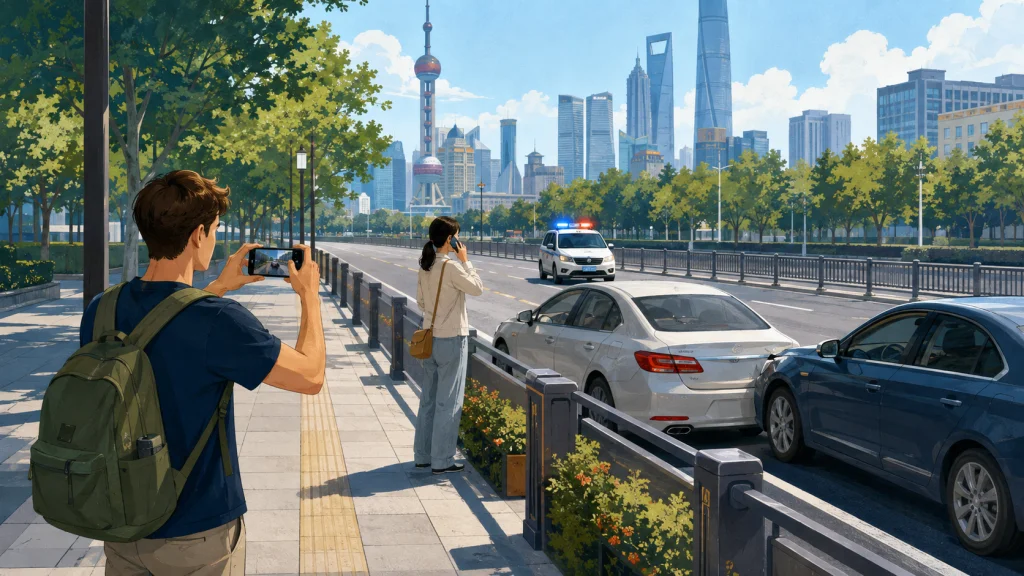
For a ride-hailing trip, keep the booking screen, driver details and receipt. Our DiDi guide for foreign visitors explains where to find the trip record and how to reduce pickup confusion.
Prepare before an emergency happens
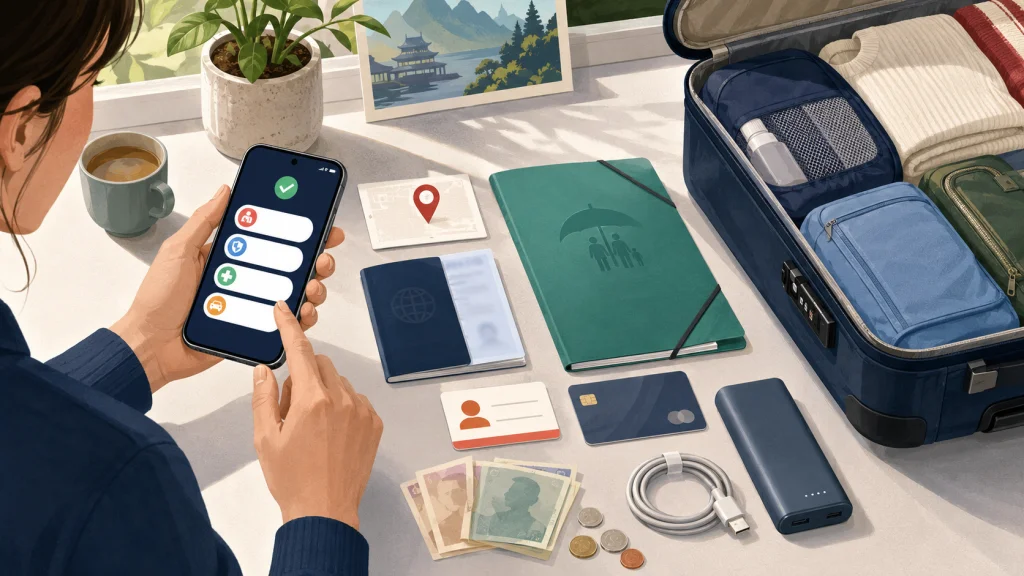
- Save 110, 119, 120 and 122 in your phone.
- Save your hotel’s name, address and phone number in Chinese.
- Keep offline copies of your passport identity page, visa or entry record, insurance policy and emergency contacts.
- Carry a second payment method and some RMB cash; see our China payment guide.
- Keep your phone charged and carry a compliant power bank. Review the China power-plug and charging guide.
- Share your itinerary with someone you trust and record your embassy or consulate contact details.
- Complete the broader first-trip checklist before departure.
A local data connection is particularly useful when you need maps, translation, ride-hailing or insurance documents. Compare roaming, travel eSIMs and local SIMs in our internet guide for China.
Useful non-emergency numbers
China’s 12345 government-service hotline handles non-emergency public-service enquiries and complaints. Local language availability and scope vary. The 12367 immigration hotline is the better route for questions about entry, exit, visas and immigration procedures. Neither replaces 110, 119, 120 or 122 in an urgent situation.
Frequently asked questions
Does 911 work in China?
Do not rely on 911. Mainland China uses separate emergency numbers: 110 for police, 119 for fire, 120 for medical emergencies and 122 for traffic accidents.
Can I call China’s emergency numbers without a Chinese SIM?
A working mobile connection may be able to reach emergency services, but roaming and device behaviour vary. Save the numbers and maintain a reliable connection rather than assuming an unactivated phone will work.
Will the operator speak English?
English availability is not uniform. Give the address first, use short phrases and ask a nearby staff member to help if necessary. Save your destination addresses in Chinese before travelling.
Should I call 120 or go directly to a hospital?
Call 120 for serious illness, major injury or when safe transport is uncertain. For a minor problem, a hotel or insurer can help identify an appropriate clinic.