Using Foreign Credit Cards in China (2026): Acceptance, ATMs and Backup Plans
Quick answer: Using foreign credit cards in China is straightforward in major hotels and airports, but everyday transactions require a backup plan. They are not a reliable everyday payment method at small restaurants, convenience stores or local shops. Bring a physical card, link an eligible card to Alipay and WeChat Pay, and keep some renminbi cash as backup.
Fact-checked: August 1, 2026. Card acceptance and issuer rules can change, so confirm overseas use with your bank before departure.
TL;DR
- Direct card acceptance is strongest at airports, international hotels, large malls and major tourist facilities.
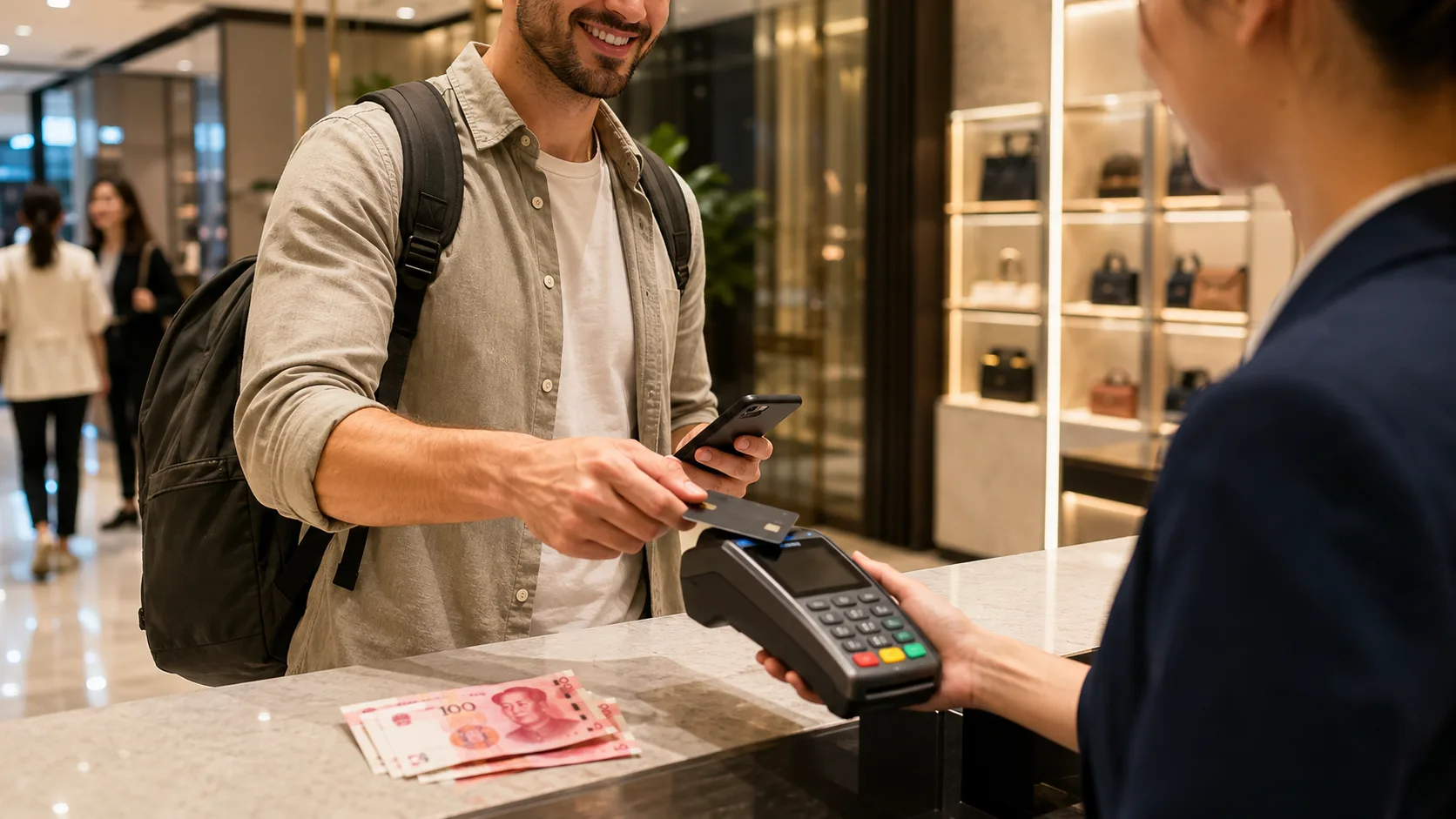
- Look for your card network logo at the terminal; a UnionPay-only terminal does not guarantee acceptance of an overseas Visa or Mastercard.
- Carry a physical chip-and-PIN card. Mobile-wallet versions of foreign cards are less predictable.
- Use an ATM displaying your network logo if you need RMB cash, but expect both ATM and issuer limits or fees.
- Decline dynamic currency conversion when offered and choose payment in RMB unless your issuer gives a better reason not to.
- Use a layered setup: Alipay, WeChat Pay, one or two physical cards, and cash.
Why This Matters
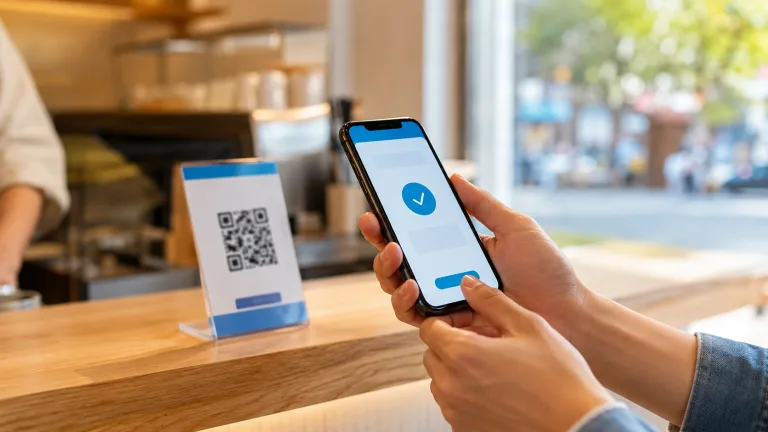
China has expanded card-payment services for overseas visitors, but daily consumer payments still revolve around QR-code wallets. A foreign card may work perfectly at a five-star hotel and fail minutes later at a neighborhood restaurant. The practical mistake is not bringing a card; it is assuming the card will work everywhere.
The State Council has directed payment providers and merchants to improve overseas-card acceptance, while official visitor guides continue to present bank cards, mobile payments and cash as complementary choices. That policy direction improves the situation, but it does not turn every merchant terminal into an international-card terminal.
Where Foreign Credit Cards in China Work Best
| Situation | Direct foreign-card acceptance | Best backup |
|---|---|---|
| International hotel | Often available; confirm deposit and card network | Second physical card |
| Airport or major rail ticket counter | Common at designated counters, not every machine | Alipay, WeChat Pay or cash |
| Large shopping mall or premium retailer | Often available where network logos are shown | Mobile payment |
| Major tourist attraction | Varies by ticket channel and terminal | Official app, mobile wallet or cash |
| Small restaurant, cafe or convenience store | Unreliable | Alipay or WeChat Pay |
| Street stall or small local shop | Rare | Mobile payment or cash |
Acceptance depends on the merchant, acquiring bank, terminal configuration and your issuer. The most useful signal is the card-network logo displayed at the checkout. Ask before a hotel places a security deposit, because the deposit may reduce your available credit until it is released.
Step-by-Step Guide Before You Travel
1. Tell your bank you are traveling
Check whether your card is enabled for mainland China, whether travel notification is required, and how the issuer handles fraud alerts. Confirm the foreign-transaction fee, cash-advance fee and ATM withdrawal limit. Do not assume the rules for purchases and ATM withdrawals are identical.
2. Bring two cards from different accounts
A second card protects you from an issuer block, damaged chip or lost wallet. Keep it separately from your main card. A Visa plus Mastercard is more resilient than two cards tied to the same account, although merchant acceptance still varies.
3. Know your PIN
Some Chinese terminals and ATMs require a PIN even when your home-country purchase normally uses a signature. Verify the PIN before departure. Do not repeatedly guess: failed attempts can lock the card.
4. Link an eligible card to mobile wallets
Set up both Alipay and WeChat Pay if possible. A card that is not accepted directly by a small merchant may still fund an eligible wallet transaction. Complete registration, card linking and identity checks before you need to pay.
5. Carry emergency RMB cash
Cash remains legal tender and is an important fallback when a phone loses power, an app needs verification or a card terminal is unavailable. Keep smaller notes for taxis, small purchases and situations where change is limited. See the broader China payment guide for a complete payment setup.
Using Foreign Cards at Chinese ATMs
Use an ATM that displays the same international network logo as your card. Major bank branches, airports and central commercial districts are the most practical places to look. Official visitor guidance confirms that overseas cards can withdraw RMB at compatible ATMs, but availability and limits depend on both the machine operator and your issuing bank.
- Use an ATM attached to a bank branch when possible.
- Check the card-network logos before inserting the card.
- Select English and choose a modest amount first.
- Choose RMB if the machine offers home-currency conversion.
- Take the card, cash and receipt before leaving.
- If the transaction fails, do not repeat it many times; try another major bank or contact your issuer.
The ATM operator may show a local fee, while your bank may charge a separate withdrawal or cash-advance fee. Exchange-rate markups can also apply. A displayed single-withdrawal ceiling is not a universal national limit and should not be presented as one: machine, bank, network and account limits differ.
Common Mistakes and Fixes
Assuming contactless always works
Fix: Carry the physical card and be ready to insert the chip. A phone wallet used abroad does not guarantee acceptance at a Chinese terminal.
Accepting conversion into your home currency
Fix: When a terminal or ATM offers a choice, selecting RMB usually lets your card network or issuer perform the conversion. Review your own issuer terms because the cheapest option depends on your card.
Relying on one card
Fix: Carry a second card separately and maintain mobile-payment and cash backups.
Using an ATM after repeated declines
Fix: Stop after one or two attempts. Check your issuer app or call the number on the card; repeated failures can trigger a security block.
Recommended Apps and Payment Setup
- Alipay: useful for QR payments and many transport or mini-program services.
- WeChat Pay: valuable as a second QR-payment option.
- Your bank app: keep fraud alerts and card controls available, but make sure you can receive verification messages overseas.
- One fee-friendly physical card: choose based on your issuer’s current foreign-transaction and ATM terms.
- RMB cash: retain a modest emergency amount rather than carrying all travel funds in cash.
FAQ
Can I use Visa or Mastercard everywhere in China?
No. Acceptance is improving, but direct use remains concentrated in larger travel, hotel, retail and tourist settings. Mobile wallets and cash remain important.
Should I choose RMB or my home currency?
RMB is generally the safer default when dynamic currency conversion is offered because it avoids the terminal operator’s conversion rate. Check your issuer’s fee schedule.
Can I withdraw RMB with a foreign debit card?
Usually, if both the card and ATM support the same international network and your issuer permits overseas withdrawals. Limits and fees vary.
What if my card is declined?
Use Alipay or WeChat Pay, try your second card, or pay cash. Then check for a fraud alert or overseas-use restriction rather than repeatedly retrying.
References
- State Council: Payment service guide for overseas visitors to China
- State Council: Guide to Payment Services in China
- State Council measures to optimize payment services
- Shanghai official payment methods for foreigners